Why Air Quality Testing Is Essential Before Buying a Home
Learn why air quality testing is an essential step before buying a home. Discover how professional testing can identify hidden mold, airborne contaminants, moisture issues, and indoor air quality problems that may affect your health and your investment. description.
Jay Perez
5/6/20263 min read
Why Air Quality Testing Is Essential Before Buying a Home
Buying a home is one of the biggest investments most people will ever make. During the purchasing process, buyers usually focus on structural inspections, plumbing, roofing, and electrical systems — but many overlook one critical factor: the air they will breathe every day inside the home.
Indoor air quality can reveal hidden problems that are not visible during a standard inspection. Mold spores, volatile organic compounds (VOCs), allergens, bacteria, moisture issues, and even harmful gases can exist inside a property without obvious signs. Professional air quality testing helps identify these risks before closing the deal, protecting both your health and your investment.
Hidden Problems You Cannot Always See
A home may appear clean and well-maintained while still having serious indoor air quality concerns. Poor ventilation, previous water damage, hidden leaks, or outdated HVAC systems can create unhealthy indoor environments.
Air quality testing can detect:
Mold and mildew spores
Excess humidity
VOCs from paints, furniture, and construction materials
Allergens such as dust and pet dander
Carbon monoxide and other airborne contaminants
Airborne bacteria and particulates
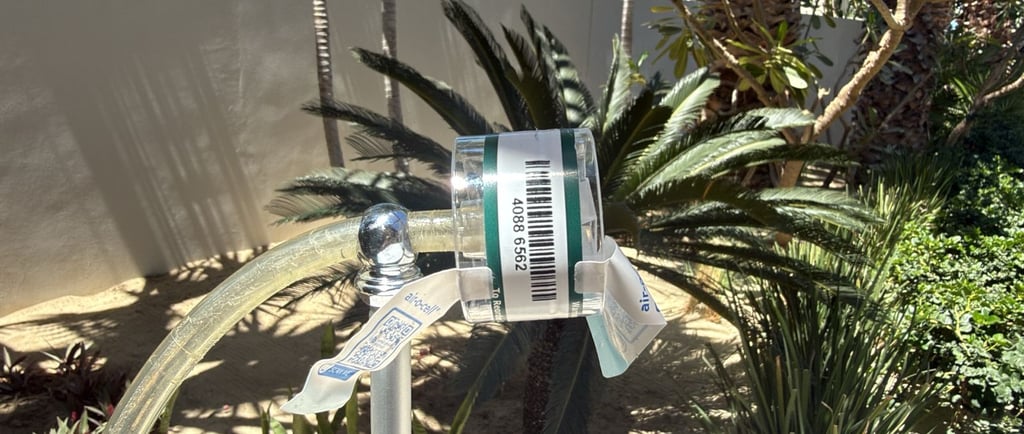
Many of these contaminants are invisible and odorless, making them difficult to identify without professional testing equipment.
Mold and Moisture Issues
One of the most common reasons for air quality testing is mold detection. Mold often grows behind walls, under flooring, inside ceilings, or within HVAC systems after leaks or flooding. Even when visible mold is not present, airborne spores may still circulate through the property.
Exposure to mold can contribute to:
Allergies
Respiratory irritation
Asthma symptoms
Headaches
Persistent odors
Air sampling and moisture detection can help uncover hidden water damage before it becomes a costly remediation project.
Indoor Air Can Be More Polluted Than Outdoor Air
Indoor air may sometimes contain higher concentrations of pollutants than outdoor air, especially in tightly sealed modern homes with limited ventilation. Pollutants can become trapped indoors and continue circulating through the HVAC system.
Poor indoor air quality may contribute to:
Fatigue
Poor sleep
Allergy flare-ups
Respiratory discomfort
Reduced concentration
Long-term health concerns
For families with children, elderly residents, or individuals with asthma or allergies, testing the air quality before purchasing a property becomes even more important.
Air Quality Testing Protects Your Investment
Beyond health concerns, air quality testing can reveal expensive hidden issues within the home. Elevated mold levels may indicate active leaks, poor insulation, roof damage, or ventilation problems. VOCs may suggest recent renovations using low-quality materials or chemical exposure.
Identifying these issues before closing gives buyers the opportunity to:
Negotiate repairs
Request remediation
Reconsider the purchase if necessary
Better understand future maintenance costs
In many cases, air quality testing provides peace of mind and helps buyers avoid unexpected expenses after moving in.
When Should Air Quality Testing Be Done?
The best time to perform air quality testing is during the home inspection period before finalizing the purchase. This allows enough time to review the results and make informed decisions.
Testing is especially recommended when:
The property has a history of water damage
There is a musty odor
The home has been vacant for long periods
Recent remodeling was completed
Occupants experienced allergies or respiratory issues
The HVAC system appears poorly maintained
Final Thoughts
A standard home inspection may identify visible structural issues, but it does not always reveal what is circulating in the air inside the property. Professional air quality testing adds another layer of protection for buyers by uncovering hidden environmental concerns before they become major problems.
When purchasing a home, clean air matters just as much as a solid foundation. Investing in air quality testing can help ensure your future home is safe, healthy, and truly move-in ready.
Sources
Air Inspector — Why Air Quality Testing Is a Must Before Buying a Home
https://airinspector.com/why-air-quality-testing-is-a-must-before-buying-a-home/Safe Air Fast — Why Air Quality Testing Is a Must Before Buying a Home
https://www.safeairfast.com/blog/2017/03/why-air-quality-testing-is-a-must-before-buying-a-home/Elite Inspections — Air Quality Testing Before Buying a Home: What You Need to Know
https://eliteinspectionsma.com/air-quality-testing-before-buying-a-home-what-you-need-to-know/EPA — Introduction to Indoor Air Quality
https://www.epa.gov/indoor-air-quality-iaq/introduction-indoor-air-quality
Contact
Fast, reliable help for your property needs
Phone
help@waterdamagecabo.com
624-156-0555
© 2025. All rights reserved.