What Is Water Damage Restoration?
Learn what water damage restoration is, how the restoration process works, and why fast professional response is critical to prevent structural damage, mold growth, and costly repairs after water intrusion or flooding.
Jay Perez
5/6/20262 min read
What Is Water Damage Restoration?
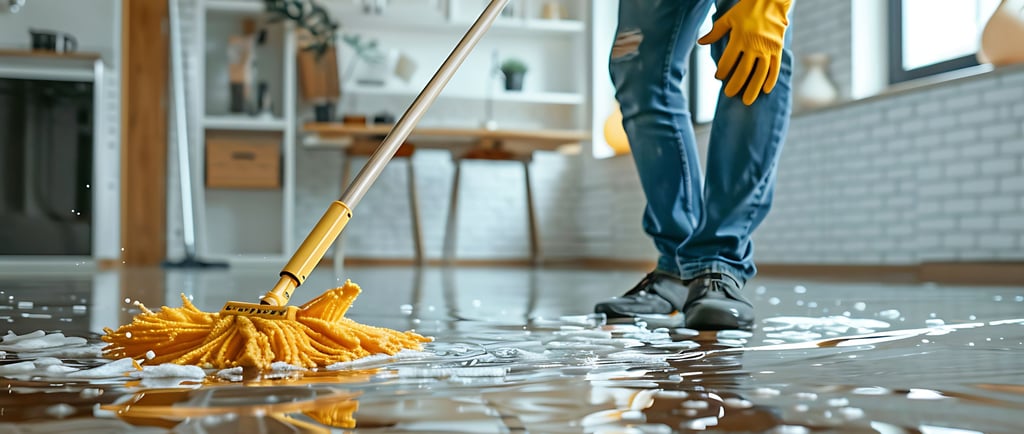
Water damage restoration is the professional process of cleaning, drying, repairing, and restoring a property after water intrusion or flooding. Whether caused by burst pipes, roof leaks, storms, appliance failures, or sewage backups, water damage can quickly affect the structure of a home or business and create serious health risks if not treated properly.
The restoration process goes far beyond simply removing visible water. Certified professionals use specialized equipment and advanced drying techniques to detect hidden moisture, prevent mold growth, and restore the affected areas safely and efficiently.
Common Causes of Water Damage
Water damage can happen unexpectedly and for many different reasons, including:
Burst or leaking pipes
Roof leaks
Heavy rain and storms
Appliance malfunctions
HVAC system leaks
Overflowing sinks or toilets
Sewage backups
Flooding
Even small leaks can lead to major structural problems if left untreated.
The Water Damage Restoration Process
Professional restoration companies follow a systematic process to minimize damage and recover the property as quickly as possible.
1. Inspection and Assessment
The first step is identifying the source of the water and evaluating the extent of the damage. Moisture meters, thermal imaging cameras, and specialized tools help locate hidden moisture inside walls, ceilings, and flooring.
2. Water Extraction
Standing water is removed using powerful pumps and extraction equipment. Fast water removal helps reduce further damage and speeds up the drying process.
3. Drying and Dehumidification
After extraction, industrial air movers and dehumidifiers are used to remove remaining moisture from the structure and the air. Proper drying is critical to prevent mold growth and structural deterioration.
4. Cleaning and Sanitizing
Affected areas are cleaned, disinfected, and deodorized to eliminate bacteria, odors, and contaminants. Depending on the type of water involved, specialized antimicrobial treatments may be necessary.
5. Restoration and Repairs
The final step includes repairing and restoring damaged materials such as drywall, flooring, insulation, cabinets, or paint. The goal is to return the property to its pre-loss condition.
Why Fast Response Matters
Water damage worsens rapidly over time. Within hours, moisture can spread through walls, flooring, and furniture. In as little as 24 to 48 hours, mold growth may begin.
Quick professional intervention can help:
Reduce repair costs
Prevent mold growth
Protect structural integrity
Save furniture and belongings
Improve indoor air quality
The longer water sits, the more extensive and expensive the damage becomes.
Signs You May Need Water Damage Restoration
Sometimes water damage is obvious, but hidden moisture problems are also common. Warning signs include:
Water stains on walls or ceilings
Musty odors
Warped flooring
Bubbling paint or drywall
Visible mold growth
Increased humidity indoors
Sudden increases in water bills
If you notice any of these signs, professional inspection is recommended as soon as possible.
Final Thoughts
Water damage restoration is not just about removing water — it is about protecting your property, your health, and your investment. Professional restoration services help ensure that hidden moisture is properly addressed, preventing long-term structural damage and mold contamination.
Acting quickly after water damage occurs can make a major difference in the recovery process and help restore your home or business safely and efficiently.
Sources
Institute of Inspection Cleaning and Restoration Certification (IICRC)
https://www.iicrc.org/EPA — Mold and Moisture
https://www.epa.gov/moldFEMA — Flood Damage Cleanup
https://www.fema.gov/Restoration Industry Association (RIA)
https://www.restorationindustry.org/
Contact
Fast, reliable help for your property needs
Phone
help@waterdamagecabo.com
624-156-0555
© 2025. All rights reserved.