Mold Remediation: Why Professional Mold Removal Matters
Learn what mold remediation is, what causes indoor mold growth, and why professional mold removal is essential to protect your property, improve indoor air quality, and prevent long-term health and structural issues.
Jay Perez
5/6/20262 min read
Mold Remediation: Why Professional Mold Removal Matters
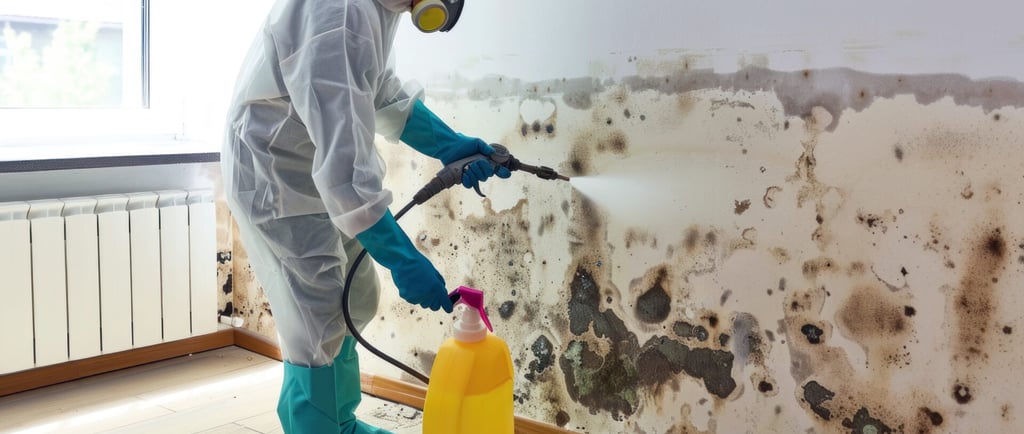
Mold is more than just an unpleasant stain on walls or ceilings — it can become a serious problem that affects both your property and your health. Mold remediation is the professional process of identifying, containing, removing, and preventing mold growth inside homes and commercial buildings.
When moisture problems are not addressed quickly, mold can begin growing within 24 to 48 hours. Leaks, flooding, high humidity, poor ventilation, and water damage are some of the most common causes of indoor mold growth.
Professional mold remediation helps restore a safe indoor environment while preventing the problem from spreading further.
What Causes Mold Growth?
Mold thrives in damp, humid environments where moisture is present for extended periods. Common causes include:
Water leaks
Flooding or storm damage
Roof leaks
Plumbing issues
HVAC condensation
High indoor humidity
Poor ventilation
Previous water damage
Mold often grows in hidden areas such as behind drywall, under flooring, inside ceilings, crawl spaces, or HVAC systems.
Why Mold Can Be Dangerous
Exposure to mold may affect indoor air quality and contribute to a variety of health concerns, especially for sensitive individuals.
Possible symptoms associated with mold exposure include:
Allergies
Sneezing and coughing
Eye and throat irritation
Headaches
Skin irritation
Asthma flare-ups
Respiratory discomfort
Children, elderly individuals, and people with respiratory conditions may be more sensitive to mold exposure.
In addition to health concerns, mold can also damage drywall, wood, insulation, flooring, and other building materials over time.
What Is Mold Remediation?
Mold remediation is a specialized process designed to safely remove mold contamination and address the source of moisture causing the problem.
Professional remediation typically includes:
1. Inspection and Assessment
Specialists inspect the property to identify visible mold, hidden moisture, and affected areas. Moisture meters, thermal imaging cameras, and air quality testing may be used to evaluate the extent of contamination.
2. Containment
Affected areas are isolated to prevent mold spores from spreading to other parts of the property during the cleanup process.
3. Air Filtration
HEPA filtration systems and air scrubbers help remove airborne mold spores and improve indoor air quality during remediation.
4. Mold Removal and Cleaning
Contaminated materials are cleaned, treated, or removed depending on the severity of the damage. Specialized antimicrobial products may be applied to help prevent future growth.
5. Drying and Moisture Control
Addressing the moisture source is critical. The area must be properly dried and repaired to prevent mold from returning.
Signs You May Have Mold in Your Property
Mold is not always visible. Some common warning signs include:
Musty odors
Water stains
Peeling paint or bubbling drywall
Increased allergies indoors
Visible discoloration on walls or ceilings
Persistent humidity problems
Previous water damage
If you suspect mold growth, professional inspection and testing can help determine the extent of the issue.
Why Professional Mold Remediation Is Important
Attempting to remove mold without proper equipment and containment can spread spores throughout the property and worsen the problem. Professional remediation companies use specialized procedures designed to safely eliminate contamination and restore indoor air quality.
Professional remediation can help:
Improve indoor air quality
Prevent structural damage
Reduce health risks
Stop mold from spreading
Identify hidden moisture issues
Final Thoughts
Mold problems should never be ignored. What may appear to be a small issue on the surface can often indicate hidden moisture damage behind walls, ceilings, or flooring.
Professional mold remediation not only removes existing contamination but also addresses the underlying moisture problem to help protect your home, your health, and your investment.
Sources
EPA — Mold and Moisture
https://www.epa.gov/moldCDC — Mold Information for Homeowners and Renters
https://www.cdc.gov/mold/default.htmInstitute of Inspection Cleaning and Restoration Certification (IICRC)
https://www.iicrc.org/FEMA — Mold Cleanup After Disasters
https://www.fema.gov/
Contact
Fast, reliable help for your property needs
Phone
help@waterdamagecabo.com
624-156-0555
© 2025. All rights reserved.